
Spinal cord injuries (SCIs) in the Bronx, New York, often lead to life-altering consequences and necessitate careful legal consideration for wrongful death claims. These cases involve complex state and local laws, with families pursuing justice against negligent parties. Establishing liability requires expert medical opinions, thorough investigations, and a clear demonstration of cause-and-effect relationships. The process includes understanding negligence laws, gathering evidence like medical records, witness statements, and expert testimony, and aiming for compensation that includes pain and suffering damages. A specialized law firm in the Bronx offers compassionate support, leveraging medical knowledge and legal expertise to navigate these complex cases and secure justice for SCI victims and their families.
In the event of a spinal cord injury (SCI), seeking legal recourse is a vital step for victims and their families. This comprehensive guide explores the legal aspects of SCI, focusing on the Bronx’s specific legal framework. We delve into understanding SCI from a legal perspective, including defining wrongful death claims and identifying responsible parties. The article covers damages available to SCI victims in the Bronx, emphasizing the importance of evidence and expert testimony for building strong cases. It guides readers through the legal process, highlighting the need for compassionate and expert representation.
- Understanding Spinal Cord Injury: A Legal Perspective
- The Bronx's Legal Framework for Spinal Cord Injury Cases
- Proving Wrongful Death: Responsibilities and Negligence
- Damages and Compensation for Victims of SCI in the Bronx
- Building a Strong Case: Evidence and Expert Testimony
- Navigating the Legal Process with Compassion and Expertise
Understanding Spinal Cord Injury: A Legal Perspective

Spinal cord injuries are devastating events that can have profound physical and emotional impacts on victims, often leading to long-term disabilities or even death. From a legal perspective, understanding these injuries is crucial when pursuing compensation for wrongful death in Bronx cases. These types of injuries disrupt the communication between the brain and body, affecting motor function, sensation, and sometimes even basic life support systems.
In terms of legal implications, determining liability in spinal cord injury cases often involves complex factors such as medical negligence, accidents, or intentional acts. Proving a direct cause-and-effect relationship between the incident and the resulting spinal cord damage is essential to securing justice for victims and their families. This includes gathering expert medical opinions and thorough investigations to ensure a robust case for wrongful death in Bronx scenarios.
The Bronx's Legal Framework for Spinal Cord Injury Cases

In the Bronx, spinal cord injury cases are governed by a complex interplay of state and local laws. New York State’s legal framework provides robust protections for individuals suffering from such injuries, ensuring they receive adequate compensation for their physical and emotional hardships. The process begins with understanding negligence laws, which hold responsible parties accountable for damages caused by their actions or inactions.
When it comes to wrongful death in the Bronx, specific regulations dictate how families can pursue legal action. If a spinal cord injury results in the loss of a loved one, relatives can file a civil lawsuit against the at-fault party, seeking damages that reflect the deceased’s pain, suffering, and the economic impact on their family. This legal framework aims to provide justice and support for victims and their families navigating the challenges posed by such traumatic events.
Proving Wrongful Death: Responsibilities and Negligence

Proving a wrongful death case, particularly in the Bronx, involves meticulous investigation and legal strategy. To establish liability for a spinal cord injury leading to death, attorneys must demonstrate clear negligence on the part of the defendant(s). This includes showing that a duty of care was breached, directly causing the victim’s harm. In the context of a wrongful death in the Bronx, this could involve scrutinizing medical records, reconstructing events leading up to the injury, and identifying any deviations from accepted standards of care.
The process requires gathering compelling evidence, such as expert testimony from medical professionals who can opine on the cause and extent of the victim’s injuries, and possibly even witness statements or surveillance footage. The goal is to illustrate a causal link between the defendant’s actions (or inactions) and the ultimate outcome, ensuring that justice is served for the loss of life caused by negligence.
Damages and Compensation for Victims of SCI in the Bronx

Victims of spinal cord injuries (SCI) in the Bronx, New York, face significant physical and emotional challenges. When such injuries result from someone else’s negligence or wrongful act, it’s crucial to understand the potential for compensation. Damages for SCI cases can vary greatly depending on various factors, including the severity of the injury, long-term care needs, lost wages, and pain and suffering.
In the Bronx, as in other areas, victims may be entitled to compensation through personal injury lawsuits. This includes seeking damages from the at-fault party’s insurance company or pursuing a wrongful death claim if the injury results in a fatality. Legal professionals specializing in spinal cord injury cases can guide victims and their families through this complex process, ensuring they receive fair and adequate compensation for their suffering and losses.
Building a Strong Case: Evidence and Expert Testimony
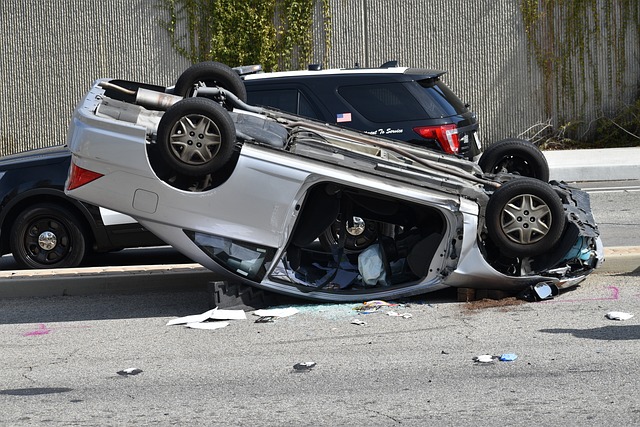
Building a strong case for spinal cord injury requires careful collection and presentation of evidence. In a wrongful death case in the Bronx, this could involve gathering medical records detailing the extent of the damage, photographs of the scene if applicable, and expert testimony from neurologists or other specialists. These experts can provide crucial insights into the cause of the injury, its impact on the victim’s life, and potential liability.
Evidence must be thorough and compelling to persuade a jury or judge. This includes witness statements, surveillance footage (if available), and any relevant documents. In personal injury cases, demonstrating negligence is key; thus, reconstructing the events leading up to the spinal cord injury is essential. Every detail can make a difference in building a compelling narrative that advocates for fair compensation.
Navigating the Legal Process with Compassion and Expertise

Navigating the legal process after a spinal cord injury can be daunting, especially when dealing with the aftermath of a wrongful death in Bronx. It requires both compassion and expertise to guide clients through this challenging time. At our law firm, we understand the profound impact such an event has on individuals and their families, and we’re committed to providing tailored support.
Our experienced attorneys specialize in complex personal injury cases, particularly spinal cord injuries and wrongful deaths. We employ a comprehensive approach, combining medical knowledge with legal acumen to ensure every detail of your case is meticulously handled. In the face of such traumatic events, our team offers empathetic guidance while leveraging their expertise to secure justice and compensation for our clients.
When dealing with spinal cord injuries in the Bronx, it’s crucial to understand the legal framework and your rights. This article has provided an overview of key aspects, from understanding SCI from a legal perspective to navigating the complex process. If you or a loved one have suffered a wrongful death due to negligence, building a strong case through robust evidence and expert testimony is essential. Damages for victims can include medical expenses, rehabilitation costs, and pain and suffering. A skilled attorney specializing in spinal cord injury cases can guide you through this challenging time, ensuring justice and compensation while offering compassionate support.